
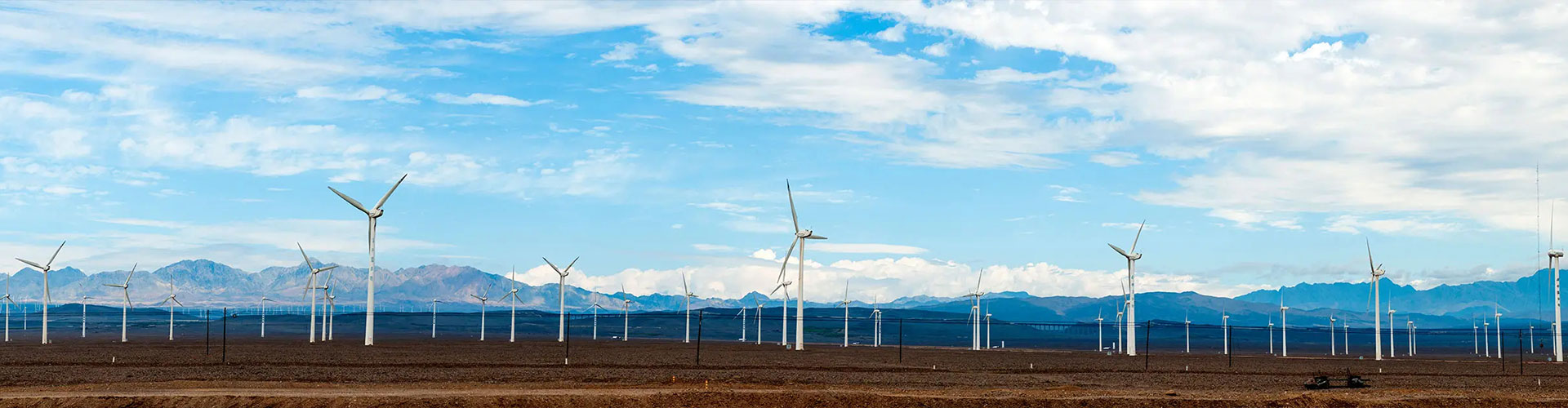


Southeast Asia · Island Microgrid, 2 MW / 4 MWh
Diesel consumption cut 72%, payback in 4.2 years, 99.3% measured availability.
The island ran on diesel alone. Fuel came in by boat, the gensets ran at a low load factor most of the day, and the cost per kWh was set by shipping logistics rather than by generation. Solar had been tried before and failed — the array was oversized against a battery that could not absorb midday production.
The constraint
Sizing this system on daily energy would have produced a battery too small for the evening. The night load was 2.5 MWh against a 4 MWh daily total, so the battery was sized to the night and the PV was sized to recharge it before noon. The genset stayed in the design — removing it entirely would have doubled the battery and destroyed the payback.
What we built
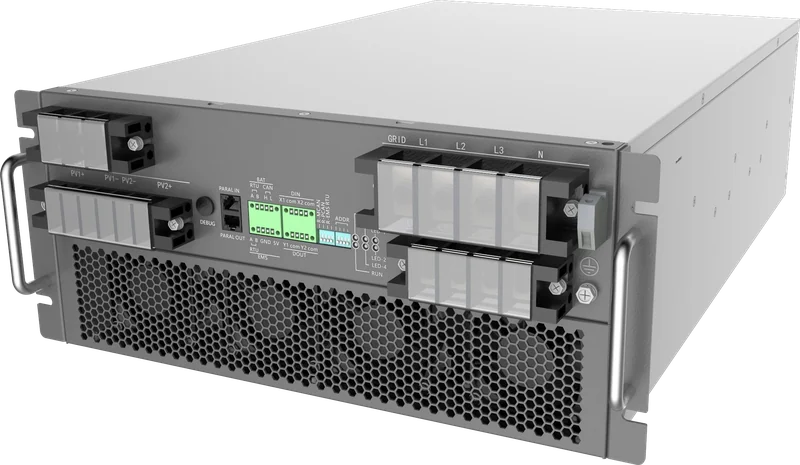
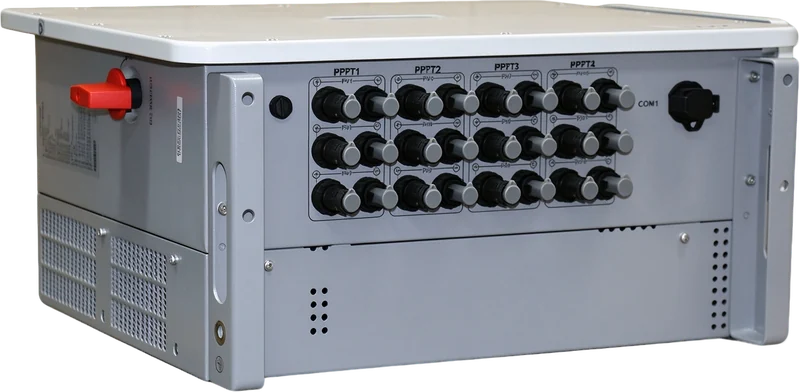
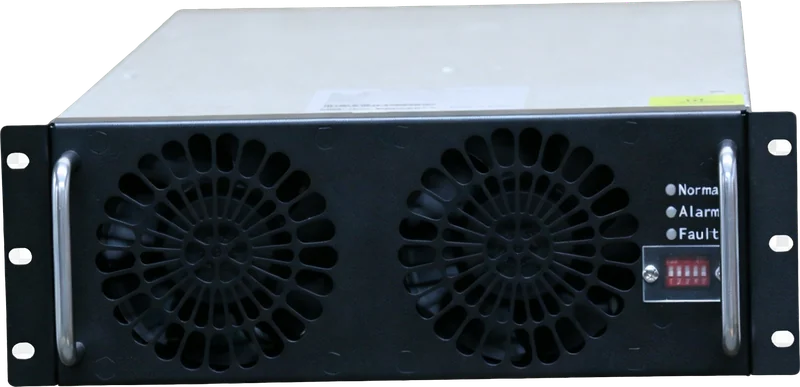
PV feeds a common DC bus through MPPT modules, storage sits on the same bus through DC/DC converters, and a bidirectional PCS couples the bus to the island network. An STS provides 0 ms active transfer for the critical feeder. The EMS decides when the diesel runs: above a state-of-charge floor it stops entirely.
Result
Diesel consumption fell 72%. Levelised cost moved from $0.42 to $0.21 per kWh, measured availability reached 99.3%, and the system paid back in 4.2 years. The genset was not removed — it was demoted from prime power to backup, which is what made the economics work.
What was installed.
| Site | |
| Location | Southeast Asia, islanded network |
| Load | Community and commercial loads on one island grid |
| Constraint | Fuel arrives by sea; gensets run at poor load factor |
| Installed | |
| PV | DC-coupled through MPPT modules |
| Storage | 4 MWh LiFePO4 across parallel banks |
| Conversion | Bidirectional PCS on a common DC bus |
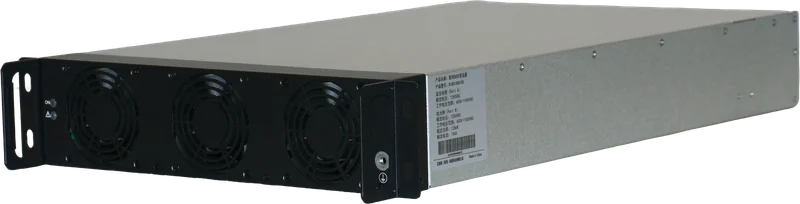
| Transfer | STS with 0 ms active transfer |
| Control | EMS with genset start/stop and load shedding |
| Result | |
| Diesel consumption | −72% against the pre-project baseline |
| Cost of energy | $0.42 → $0.21 per kWh |
| Availability | 99.3% measured uptime |
| Payback | 4.2 years at local fuel prices |
| CO₂ avoided | ≈1,052 t per year |