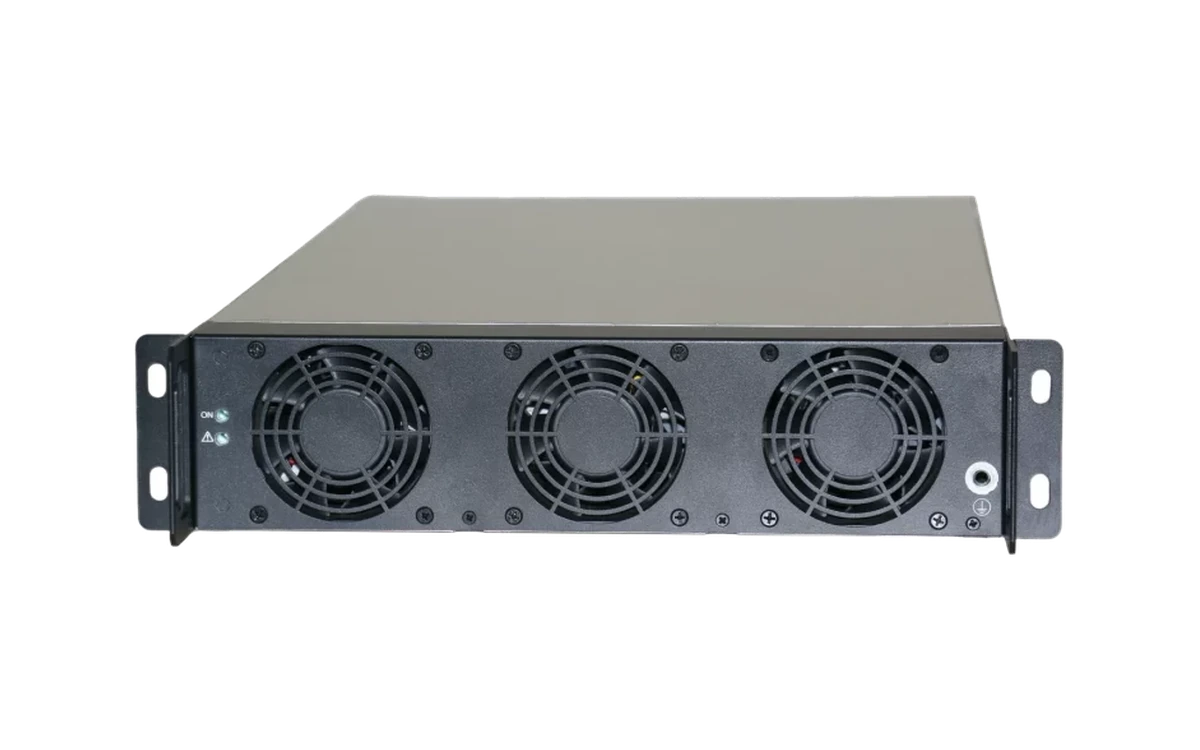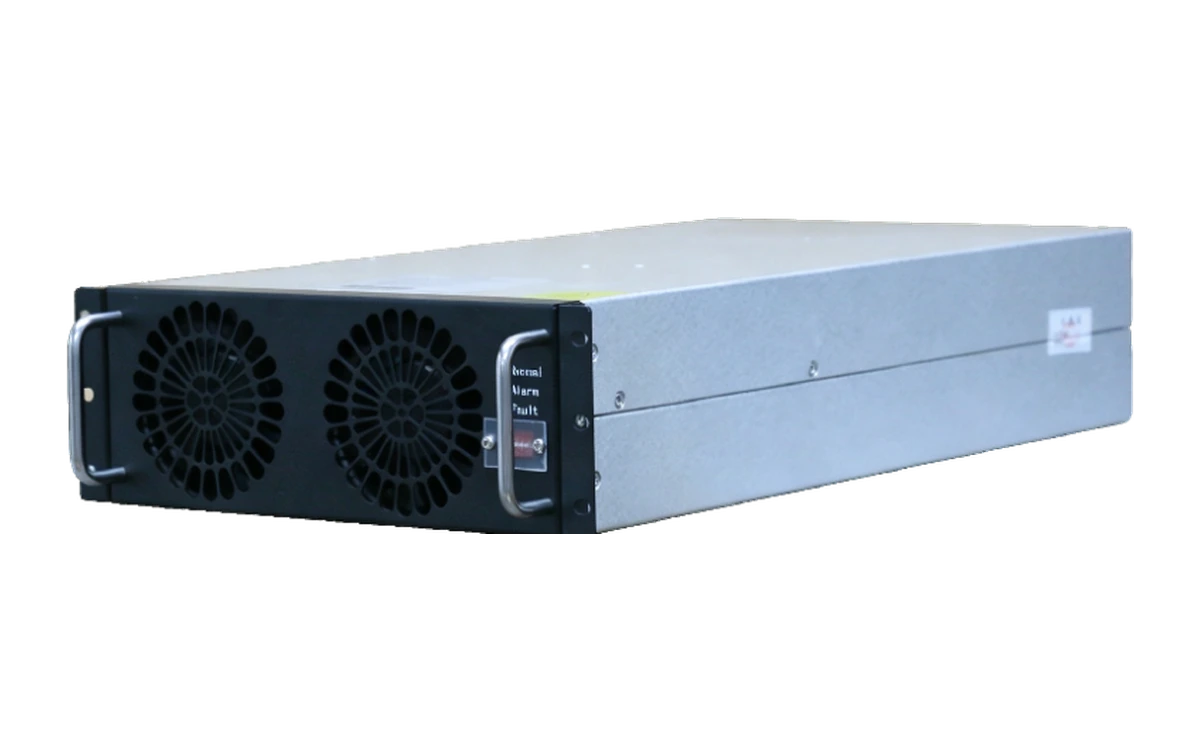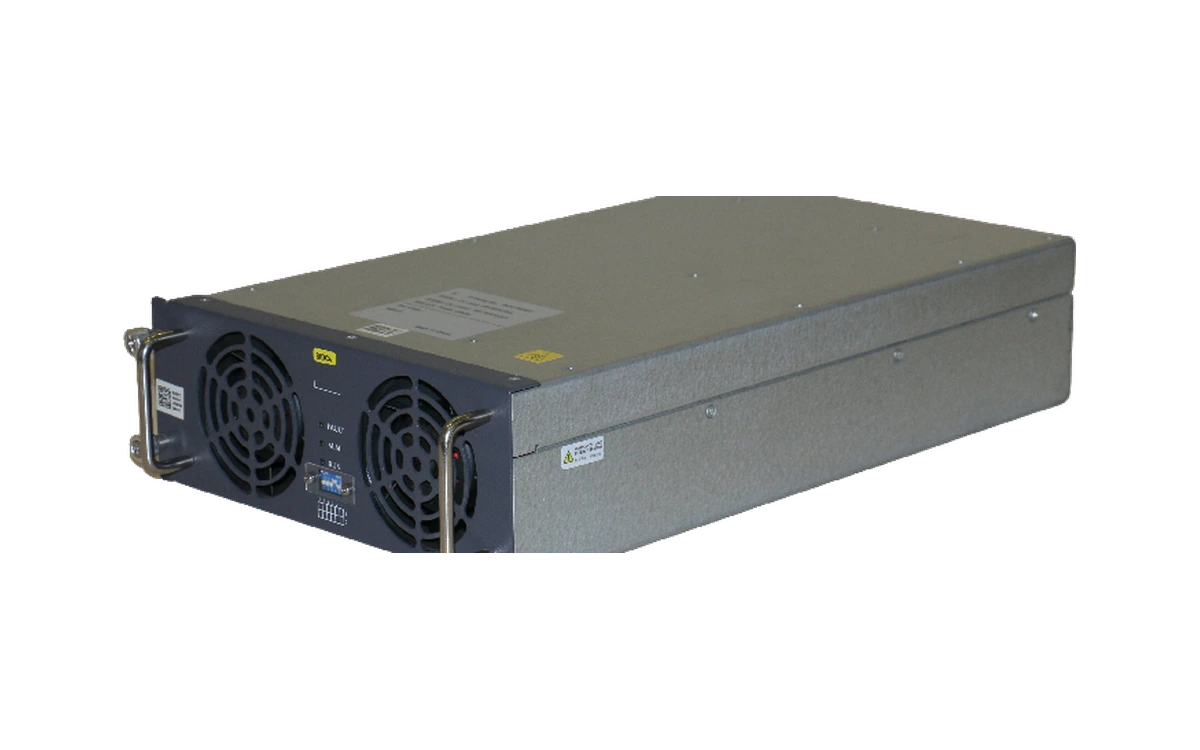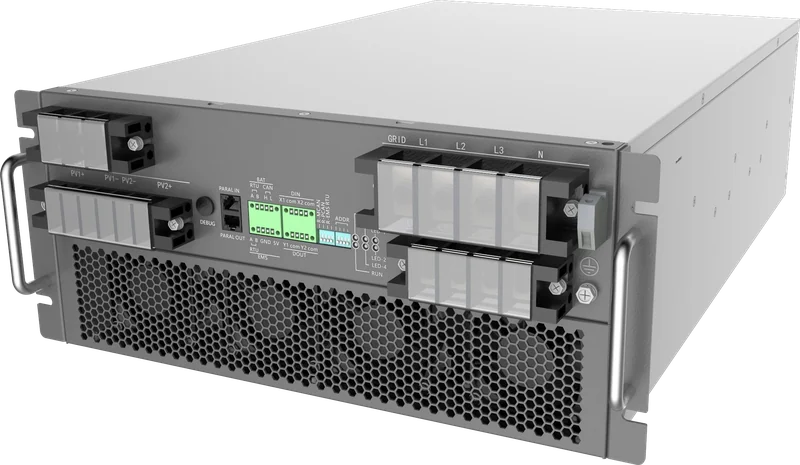
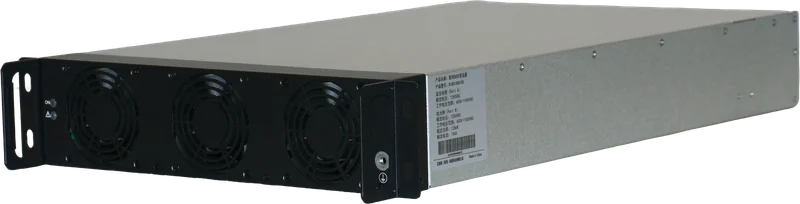
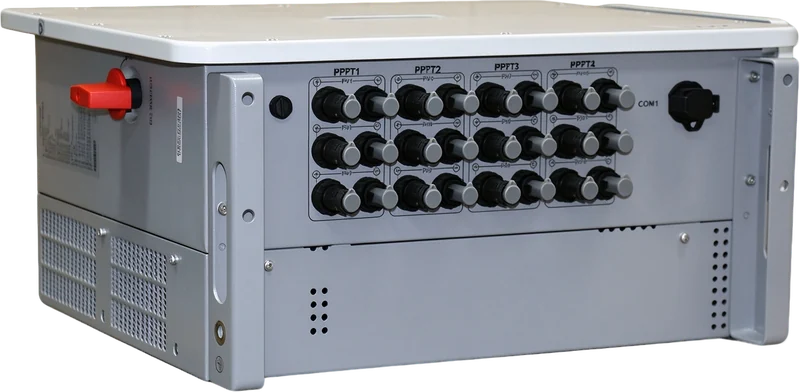
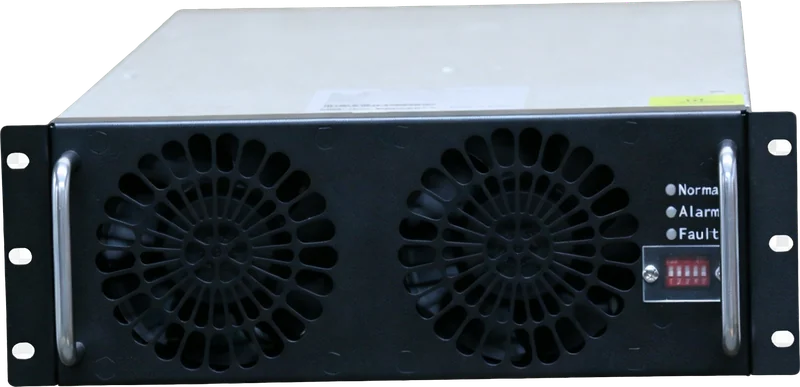




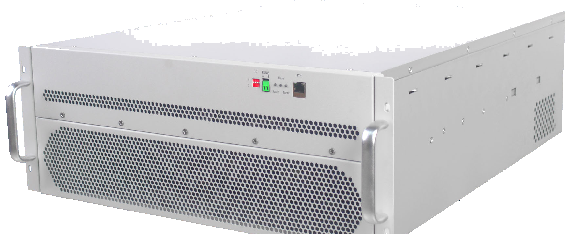
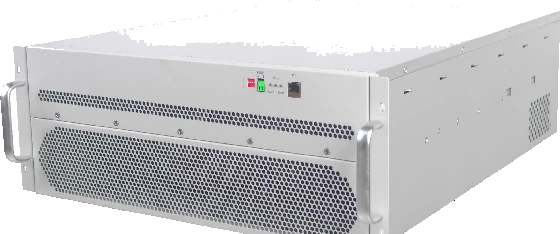
BAC125K950C 125 kW Bidirectional PCS (All-SiC)
125 kW all-SiC PCS · 600–950 Vdc battery · 98.8% peak efficiency
- All-SiC power stage — 98.8% charging / 98.5% discharging peak efficiency
- One bidirectional stage for charge and discharge; no separate charger
- ±0.5% voltage and ±1% current regulation with DSP + CPLD control
- Compensates reactive power and three-phase imbalance, not just active power
- 600–950 Vdc window covers both 800 V and 900 V battery architectures
Overview & fit.
The BAC125K950C is a 125 kW high-frequency, non-isolated AC/DC converter that couples a 600–950 Vdc battery bank to a 400 Vac three-phase grid. An all-SiC power stage brings peak efficiency to 98.8% in charging and 98.5% in discharging, which matters when the unit runs through a full daily charge–discharge cycle.
01What it does
Energy flows both ways: the converter charges the battery from the grid and discharges back for peak shaving, capacity expansion, power-quality support and backup. DSP plus CPLD digital control keeps voltage within ±0.5% and current within ±1%, and the unit compensates reactive power and three-phase imbalance instead of only delivering active power.
02Where it fits
- Commercial and industrial storage cabinets where the battery sits at 600–950 Vdc
- Peak shaving and dynamic capacity expansion behind an existing transformer
- Microgrids that need grid-tied operation with an off-grid backup path
- Parallel banks: modules share current automatically, and a single module fault does not take the branch down
03Why this model
The wide 600–950 Vdc window covers both 800 V and 900 V battery architectures with one SKU, so a system integrator does not re-qualify a converter when the battery supplier changes cell count. Below 630 Vdc the unit derates linearly rather than tripping, which keeps a depleted battery on charge instead of faulting out.
Full specifications.
| AC side (grid) | |
| Rated voltage | 400 Vac (380/400/415 settable) |
| Voltage range | 304–485 Vac |
| Grid frequency | 50/60 Hz ±5% (auto-sensing) |
| Wiring | Three-phase four-wire or five-wire |
| Rated input current | 181 A |
| Power factor | ≥0.99 at full load |
| Current THD | <3% at full load |
| DC side (battery) | |
| Output voltage | 600–950 Vdc |
| Output current | 198 A max |
| Rated charging power | 125 kW |
| Derating | Linear below 630 Vdc; full power 630–950 Vdc |
| Voltage regulation | ±0.5% |
| Current regulation / ripple | ±1% / <1% Vo |
| Output (discharge) | |
| Rated output power | 125 kVA max |
| Discharge current | 198 A max |
| Grid-tied derating | Linear 304–360 Vac; full power 360–485 Vac |
| Efficiency | |
| Charge | 98.8% max |
| Discharge | 98.5% max |
| Communication & environment | |
| Communication | RS485 |
| Operating temperature | −35 to +60 °C (derating above +45 °C) |
| Storage temperature | −40 to +75 °C |
| Cooling / protection | Variable-speed air cooling · IP20 · 2000 m |
| Dimensions (W×H×D) | 500 × 200 × 675 mm (excluding handles) |
| Weight | 50 kg |
| Standards | GB/T 34120-2023 · GB/T 34133-2023 |
Source: published specification for BAC125K950C. Confirm project-specific limits with our engineers before final sizing.